Skip to content

Empowering Teacher Education in Island Regions: Strategic Roles of FKIP in Integrating STEM, ESD, and Digital Pedagogy

THE 1ST INTERNATIONAL CONFERENCE ON SCIENCE, EDUCATION, TECHNOLOGY AND SUSTAINABLE DEVELOPMENT

November 2 & 6 2026, The Natsepa Hotel & Resort, Ambon, Maluku, Indonesia

about

About The International Conference

Our About. We're adding
more every day.

ICSETeSD 2026 is an international academic forum designed to connect teacher education, scientific innovation, digital transformation, and sustainable development. Hosted in Ambon – an archipelagic setting with strong educational, cultural, marine, and environmental relevance – the conference provides a platform for scholars, teacher educators, university leaders, policymakers, practitioners, students, and development partners to exchange research findings, innovative practices, and institutional strategies.

The conference emphasizes the strategic role of Faculties of Teacher Training and Education (FKIP) in preparing future-ready educators who can integrate STEM and STEAM approaches, Education for Sustainable Development (ESD), digital pedagogy, artificial intelligence, authentic assessment, and locally grounded knowledge. Particular attention is given to educational challenges and opportunities in island, coastal, remote, and resource-constrained regions.

Through keynote speeches, invited presentations, thematic oral and poster sessions, FORKOM leadership discussions, and academic networking, ICSETeSD 2026 seeks to strengthen collaboration among Indonesian and international institutions while generating practical recommendations for teacher education reform, sustainable learning, and inclusive digital transformation.

Topics

Scientific Chamber Topics

Our Topics. We provide
interesting topics.

Innovative Pedagogy and Teacher Education

Modern Models: STEM, STEAM, STREAM, and TPACK frameworks. Future Skills: Twenty-first-century learning, the 4Cs, multiliteracy, scientific literacy, energy literacy, and digital literacy. Teaching and Learning: Contextual learning, project-based learning, deep learning, professional practice, curriculum innovation, and learning in remote or under-resourced contexts. Assessment: Digital assessment, authentic assessment, evaluation, and assessment in hybrid learning.

Sustainability and Environmental Science

Global Goals: Education for Sustainable Development, the Sustainable Development Goals, environmental education, and sustainability literacy. Climate Action: Climate change education, resilience, mitigation, adaptation, conservation, and environmental awareness. Energy: Renewable energy systems, energy education, energy literacy, and sustainable transitions.

Technology, Artificial Intelligence, and Engineering

Smart Learning: Artificial intelligence, machine learning, learning analytics, virtual reality, augmented reality, and emerging educational technologies. Digital Pedagogy: Technology-enhanced learning, online and hybrid learning, digital teacher competence, and AI-supported scientific and digital literacy. Green Technology: Sustainable engineering, eco-friendly infrastructure, and technology for environmental solutions. Sustainable Economy: Green economy and blue economy initiatives.

Mathematics and Data Science

Mathematics Education: Ethnomathematics, numeracy, innovative mathematics teaching, and contextual mathematics learning. Statistics and Analytics: Statistics education, data literacy, data modeling, and analytics for education and sustainability.

Culture, Marine Education, and Inclusion

Local Knowledge: Local wisdom, indigenous knowledge, culture-based pedagogy, and community knowledge systems. Marine and Island Education: Marine education, ocean literacy, coastal education, and small-island learning contexts. Equity and Access: Inclusive education, special educational needs, digital inclusion, and access in remote areas. Methods: Quantitative, qualitative, mixed-methods, design-based research, development research, action research, systematic reviews, bibliometrics, evaluation studies, and interdisciplinary approaches.

speakers

Our Speakers

Our speakers. We added
a really amazing speaker.

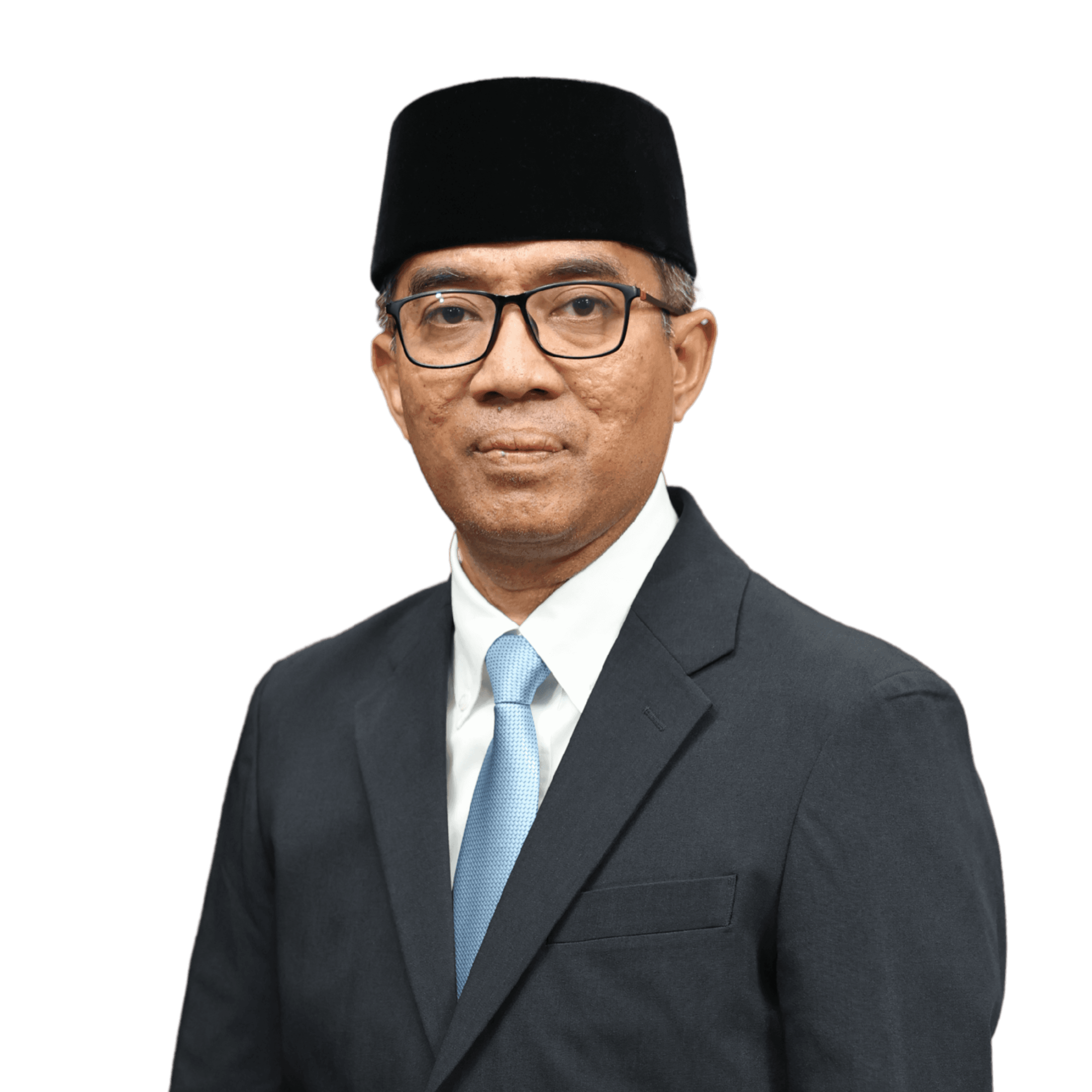
Assc. Prof. Wen Yun, Ph.D

National Institute of Education, Nanyang Technological University, Singapore

Designing Learning for Sustainable Futures: Bridging Professional Practice and Educational Innovation in Indonesia

Assc. Prof. Lynde Tan, Ph.D

Western Sydney University, Australia

Bridging the Literacy Gap: AI-Supported Scientific and Digital Literacy in Under-Resourced and Remote Areas

Prof. Dr. Gábor Biczó, Ph.D

Debrecen University, Hungaria

Education for Sustainable Development in Small Island Contexts: Building Environmental Awareness through Local Wisdom
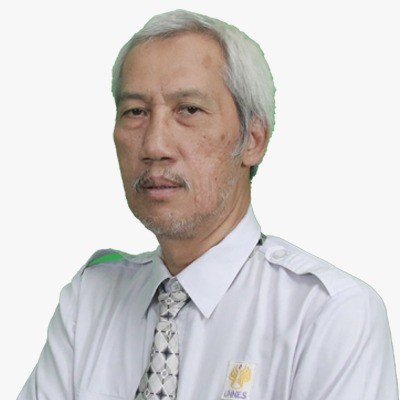
Prof. Dr. Sudarmin, M.Si

Universitas Negeri Semarang, Indonesia

Contextual STEM Education in Coastal and Island Communities: Leveraging Local Resources for Deep Learning

Publications

Publications

Committees

Scientific Committees

No.

Name and Academic Title

Affiliation

1

Prof. Dr. I. H. Wenno, S.Pd., M.Pd.

Pattimura University, Indonesia

2

Prof. Dr. K. Anakototty, S.Pd., M.A.

Pattimura University, Indonesia

3

Dr. Iwan Rumalean, S.Pd., M.Pd.

Pattimura University, Indonesia

4

Prof. Dr. A. L. Palinussa, M.Pd.

Pattimura University, Indonesia

5

Prof. Dr. Marleny Leasa, S.Pd., M.Pd.

Pattimura University, Indonesia

6

Dr. Paul Arjanto, S.Pd., M.Pd.

Pattimura University, Indonesia

7

Asry N. Latupelissa, S.Pd., M.Sc.

Pattimura University, Indonesia

8

Efilina Kissiya, S.Pd., M.Hum., Ph.D.

Pattimura University, Indonesia

9

Dr. Wilma Akihary, S.Pd., M.Hum.

Pattimura University, Indonesia

10

Dr. Yeanchon H. Dulanlebit, S.Pd., M.Si.

Pattimura University, Indonesia

11

Darma A. Ngilawajan, S.Pd., M.Pd.

Pattimura University, Indonesia

12

Dr. Semuel Unwakoly, S.Pd., M.Si.

Pattimura University, Indonesia

13

Inggit O. Tanasale, S.Pd., M.Ed., Ph.D.

Pattimura University, Indonesia

14

Bety D. S. Hetharion, M.Pd.

Pattimura University, Indonesia

15

Henry Latuhere, M.Pd.

Pattimura University, Indonesia

16

Bella C. F. Camerling, M.Pd.

Pattimura University, Indonesia

17

Patrick E. Tuasela, S.Pd., M.Pd.

Pattimura University, Indonesia

18

John R. Batlolona, M.Pd.

Pattimura University, Indonesia

Schedule

Conference Timeline

Conference Timeline

1 July – 5 October, 2026
Online Registration and Abstract Submission
5 – 12 October, 2026
Abstract Screening by Committee
12 – 19 October, 2026
Full Paper Submission
19 – 26 October, 2026
Review Process by Scientific Committee
26 October, 2026
Notification of Acceptance
26 October, 2026
Conference Payment
Novemver 2 & 6, 2026
Conference Day

Post-Conference Timeline

To be announced
Post-Conference Paper Revision
To be announced
Final Paper Submission
To be announced
Editorial Screening and Proceedings Preparation
To be announced
Submission to Prospective Proceedings Publisher

Author Guidelines

Proceeding Template

Online Submissions

Discover Conference Register

Conference Fee

Presenter

$ 100
  • On-Site Presenter (100 USD or 1.000.000 IDR)
  • On-Line Presenter (60 USD or 600.000 IDR)

Participant

$ 60
  • On-Site Participant (60 USD or 600.000 IDR)
  • On-Line Participant (30 USD or 300.000 IDR)

NB: Article Processing Charge : USD $120

Venue

How to reach

Direction to the Venue

REACH US

Get Direction The Natsepa Hotel & Resort

The Natsepa Hotel & Resort, Ambon, Maluku, Indonesia

The Natsepa Hotel & Resort

The Natsepa Hotel & Resort, Ambon, Maluku, Indonesia

Review & Editorial Policy

Purpose & Scope

ICESAS 2026 upholds rigorous, fair, transparent, and ethical scholarly standards. All submitted full papers will undergo a peer-review process coordinated by the Scientific Committee. Acceptance for presentation and publication consideration is based on scientific quality, originality, methodological rigor, relevance to the conference scope, ethical compliance, and successful completion of all editorial requirements.

ICESAS 2026 applies a peer-review model to ensure academic quality and integrity. Each submitted manuscript will be evaluated by reviewers with relevant expertise in the manuscript’s subject area. Reviewer recommendations will be used by the Scientific Committee and Editorial Team to determine whether a paper is accepted, accepted with revision, or rejected.

Submitted papers will be evaluated based on the following criteria:

  • Relevance to the scientific scopes of ICESAS 2026
  • Originality and contribution to knowledge
  • Clarity of research problem and objectives
  • Methodological rigor and appropriateness
  • Quality of data analysis and interpretation
  • Relevance of findings to sustainability, resource management, or inclusive development
  • Quality of academic writing and structure
  • Compliance with ethical publication standards

Suitability for the prospective proceedings publisher

All authors must comply with ethical publication standards. Manuscripts must be free from plagiarism, data fabrication, falsification, duplicate submission, and unethical authorship practices. Similarity checking will be conducted as part of the editorial screening process. Papers that do not meet the required ethical and similarity standards may be rejected.

Authors may use AI-assisted tools only for language improvement, formatting assistance, or technical editing, provided that such use does not replace the authors’ intellectual contribution. Authors remain fully responsible for the accuracy, originality, validity, and integrity of their manuscripts. The use of AI tools to generate fabricated data, unsupported references, or misleading content is strictly prohibited.

Authors, reviewers, and editors must disclose any potential conflicts of interest that may affect the fairness and objectivity of the review and editorial process. The Scientific Committee will take appropriate measures to ensure impartiality and transparency.

All listed authors must have made a substantial contribution to the research and manuscript preparation. The corresponding author is responsible for ensuring that all co-authors have approved the final version of the manuscript and agree to its submission.

The committee reserves the right to request corrections, reject manuscripts, withdraw accepted papers, or recommend retraction if ethical violations, serious errors, or publication misconduct are identified before or after publication.